Power cuts are still a common problem in many homes and apartments. Whether it is during extreme weather, heavy electricity demand, or maintenance by power companies, interruptions can affect daily life and productivity. Because of this, reliable power backup systems have become essential for modern households.
Over the past few years, lithium-based backup solutions have gained popularity due to their efficiency, durability, and compact design. Many homeowners are now exploring better alternatives to traditional inverter batteries. One of the most common questions people ask before upgrading is about the lithium inverter price and whether it is the right time to invest in this technology.
This guide explains current market trends, factors affecting pricing, and how these systems can benefit your home in the long run.
The Growing Demand for Modern Power Backup
As lifestyles become more digital, uninterrupted electricity has become more important than ever. Work-from-home setups, smart appliances, routers, and security systems all depend on stable power. Even short outages can interrupt work, online meetings, or home automation devices.
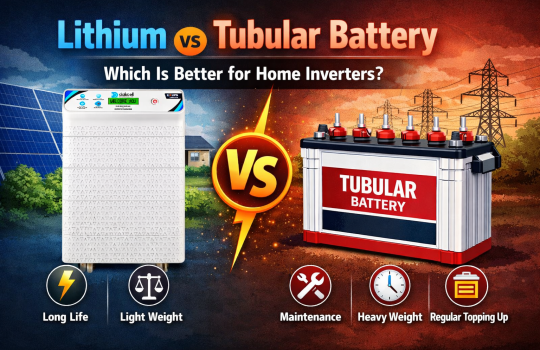
Traditional backup systems using lead-acid batteries have been widely used for years, but they often come with limitations. They require maintenance, take longer to charge, and usually have a shorter lifespan.
In contrast, a lithium inverter offers faster charging, higher efficiency, and longer operational life. These advantages are one of the main reasons why many homeowners are gradually switching to lithium-powered solutions.
Understanding Lithium Inverter Price in the Market
Before purchasing any power backup system, understanding pricing is important. The lithium inverter price depends on several factors, including battery capacity, inverter compatibility, and brand reputation.
In general, lithium systems may appear more expensive initially compared to traditional batteries. However, they provide better value over time due to their durability and lower maintenance requirements.
Most homeowners choose systems based on their power needs. Smaller setups designed for basic appliances may cost less, while larger configurations meant for multiple rooms or heavy appliances naturally fall into a higher price range.
While pricing varies across different brands and models, the long-term savings from reduced maintenance and longer lifespan often justify the investment.
Why Lithium Batteries Are Becoming Popular for Homes
Homeowners today prefer technology that is efficient, compact, and reliable. A lithium battery for home power backup meets all these requirements.
One of the biggest advantages is its longer lifespan. These batteries typically last significantly longer than traditional options. This means fewer replacements and better long-term value.
Another benefit is faster charging. Lithium batteries recharge quickly, which is extremely useful in areas where power cuts occur frequently but electricity supply returns after short intervals.
They are also lighter and more compact. This makes installation easier and allows them to fit comfortably in smaller spaces such as apartments or utility rooms.
Additionally, modern lithium batteries include built-in safety systems that protect against overheating, overcharging, and deep discharge.
Performance Comparison with Traditional Batteries
Many people still compare lithium technology with conventional lead-acid batteries when choosing a backup system. The differences become clear when performance and maintenance are considered.
Lead-acid batteries usually require periodic maintenance such as water topping and proper ventilation. Over time, their capacity may reduce, which affects backup duration.
On the other hand, a lithium battery for inverter is typically maintenance-free. It operates efficiently for longer periods without requiring frequent attention. These batteries also maintain consistent performance over thousands of charge cycles.
Another major difference is energy efficiency. Lithium batteries can store and deliver power more effectively, which helps maximize the backup time available during outages.
Recent Price Trends in the Lithium Power Backup Market
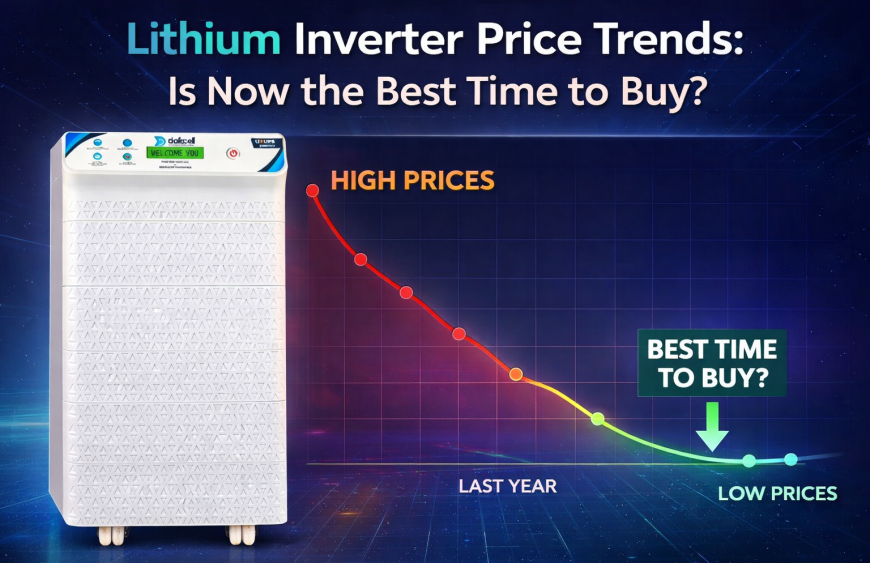
Technology prices often change as demand increases and production improves. In recent years, lithium battery technology has become more widely available. As a result, pricing has gradually become more competitive.
Manufacturers are continuously improving battery design and production methods. With larger production volumes and better supply chains, the cost of lithium components has slowly decreased.
This trend has made lithium-based backup systems more accessible to homeowners. While they were once considered a premium solution, many households now view them as a practical and long-term investment.
As demand continues to grow, prices may become even more balanced compared to traditional battery systems.
Key Factors That Influence Pricing
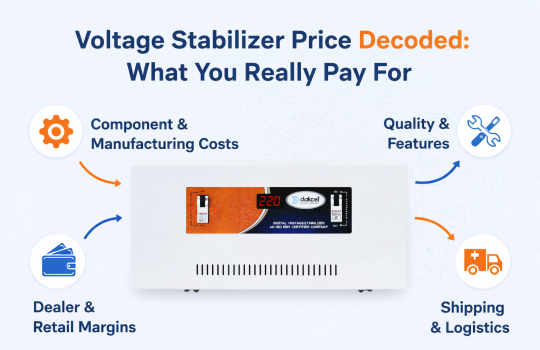
Several factors determine the final cost of a lithium backup system. Understanding these factors can help homeowners make smarter purchasing decisions.
Battery Capacity
The size of the battery determines how much power it can store. Larger capacity batteries naturally cost more but provide longer backup.
Technology and Safety Features
Advanced battery management systems, temperature control features, and safety protection can influence the price.
Brand Reliability
Established brands often offer better warranty support and product reliability, which can impact pricing.
Installation and Compatibility
Sometimes additional components or installation adjustments may be required, depending on the existing inverter setup.
Considering these aspects helps buyers select a system that fits both their budget and power needs.
Is This the Right Time to Upgrade?
Many homeowners wonder whether they should buy now or wait for further price drops. While prices may fluctuate slightly over time, the overall trend shows that lithium backup systems are becoming more common and practical.
If frequent power outages affect your daily routine, upgrading to a lithium-based backup system can provide immediate benefits. The improved efficiency, reduced maintenance, and longer lifespan often outweigh the initial cost.
For households planning long-term energy solutions, investing now can also prepare the home for future upgrades such as solar integration or smart energy management systems.
Tips for Choosing the Right System
Before purchasing any backup system, it is important to evaluate your household’s power requirements.
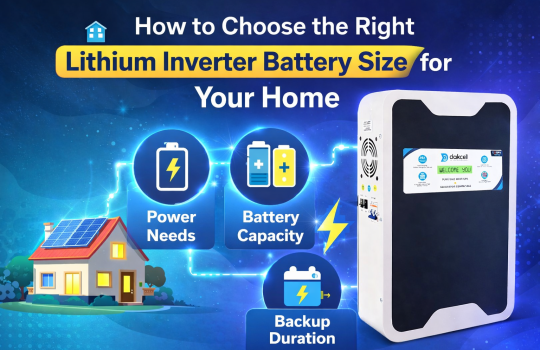
Start by identifying essential appliances that must run during outages, such as lights, fans, routers, or computers. This helps determine the battery capacity needed.
Next, ensure compatibility between the inverter and the battery system. Some lithium batteries are designed specifically to work with certain inverter models.
Warranty and after-sales support should also be considered. Reliable service ensures peace of mind and protects your investment.
Finally, choose a system that balances performance, safety, and efficiency rather than focusing only on price.
Final Thoughts
Reliable power backup has become a necessity in many homes today. With the increasing demand for uninterrupted electricity, advanced battery technologies are gaining attention.
Lithium-based backup systems offer several advantages, including faster charging, longer lifespan, compact design, and minimal maintenance. Although the lithium inverter price may initially seem higher, the long-term value and performance often make it a smart investment.
As technology continues to evolve and production expands, these systems are expected to become even more accessible to households. For homeowners seeking a dependable and future-ready power solution, lithium backup systems are quickly becoming one of the most practical choices available today.