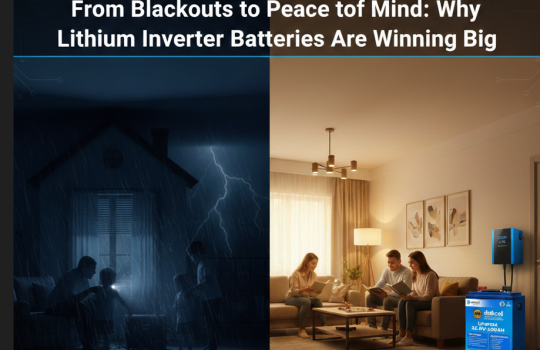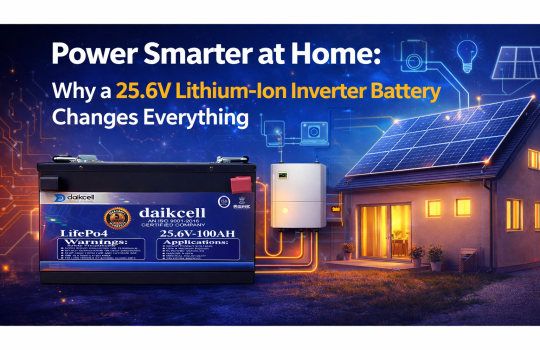
Do you have family members working and doing online classes from home? How about smart home appliances or entertainment systems? With all the technology and demands in the home, the power cuts and blackouts are more than an inconvenience in navigating day-to-day life. Backup appliances have been around for years, but the technology used to power appliances have not kept up to provide us the best power supply for modern needs, but this is changing.
Because of the growing demands for smart, energy-efficient systems, older battery systems are being upgraded to newer models. Some may say that the upgrades are based on trends, but the upgrades are based on smart and practical choices that will improve safety and will provide better long lasting power solutions to users.
The Limitations of Older Battery Technology
Conventional battery systems were designed in a time when energy consumption was minimal. A few lights, a ceiling fan, and maybe a television were all that needed backup. Today’s homes are far more demanding. High-power appliances, sensitive electronics, and constant connectivity place a heavy load on outdated systems.
One of the biggest drawbacks of older batteries is inefficiency. They lose performance with deep discharge, require long charging hours, and degrade faster when exposed to frequent voltage irregularities. On top of that, they demand regular maintenance—checking fluid levels, cleaning terminals, and ensuring proper ventilation.
Over time, these inconveniences add up, making them less practical for modern households.
A Smarter Approach to Energy Storage
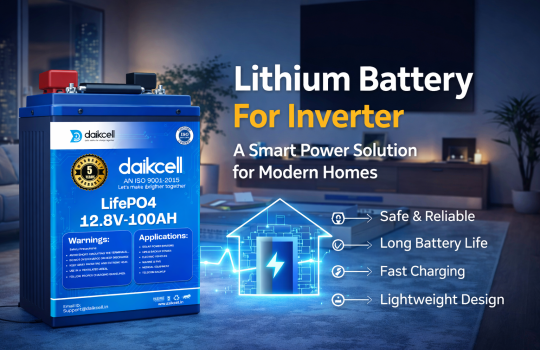
Advanced battery technology changes how power is stored, managed, and delivered. Instead of relying solely on chemical reactions, these systems use intelligent control circuits to monitor energy flow in real time, as seen in a lithium battery for inverter setups. This results in more precise performance and improved efficiency. Power delivery becomes smoother and more predictable, even during extended outages. The system adapts to load changes automatically, ensuring appliances receive stable electricity without sudden drops or spikes. This shift transforms backup power from a basic emergency tool into an integrated part of the home’s energy ecosystem.
Faster Charging Means Better Preparedness
One of the most noticeable improvements with modern battery solutions is charging speed. When power returns after an outage, time matters. Older systems often take several hours to recharge fully, leaving homes vulnerable during frequent power interruptions.
Newer energy storage systems charge significantly faster, even when grid supply is inconsistent. This means shorter recovery times and better readiness for the next outage. In areas where electricity is unpredictable, this advantage alone makes a major difference.
Longer Lifespan, Lower Long-Term Cost
At first glance, advanced battery systems may appear more expensive. However, the true cost of any power solution should be measured over its entire lifespan. Traditional batteries typically require replacement every few years, especially in regions with frequent outages.
Modern alternatives are designed to last much longer, even with daily use. Their ability to handle deep discharge without significant wear dramatically extends service life. Fewer replacements translate to lower long-term expenses, reduced downtime, and less hassle.
In practical terms, what seems like a higher upfront investment often turns out to be more economical over time.
Consistent Power for Sensitive Appliances
Today’s appliances are smarter—but also more delicate. Devices such as computers, routers, smart televisions, and automation systems require stable electricity to function properly. Even minor fluctuations can reduce performance or shorten lifespan.
Advanced battery systems deliver consistent output with minimal variation. Built-in monitoring ensures power remains within safe limits, protecting sensitive electronics from gradual damage. This stability is especially important for homes that rely on digital connectivity for work, education, or business operations.
Maintenance-Free Convenience
Another major advantage of newer battery technology is minimal maintenance. There is no need to check water levels, clean corrosion, or worry about acid leaks. Once installed, the system operates independently, managing itself through automated controls.
For homeowners, this means peace of mind. There’s no need for frequent service visits or constant monitoring. The backup system simply works when needed—quietly and efficiently.
Compact Design and Flexible Installation
Space constraints are common in modern homes, especially in apartments and urban settings. Older battery setups are bulky, heavy, and often require dedicated rooms or special ventilation.
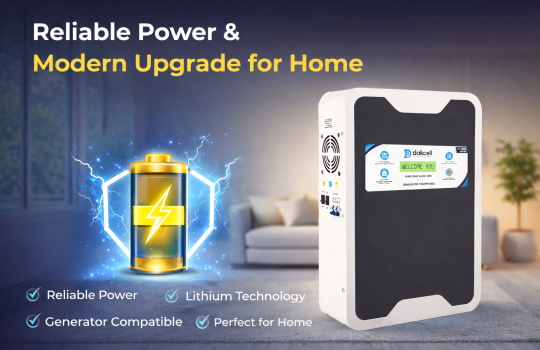
Modern systems are compact and lightweight, offering far more flexibility in installation. They can be wall-mounted, placed indoors safely, or integrated into modular power setups. This adaptability makes them suitable for a wide range of living spaces without structural changes.
Enhanced Safety Standards
Safety is a critical factor when dealing with energy storage. Advanced battery systems are built with multiple layers of protection, including safeguards against overheating, overcharging, short circuits, and excessive discharge.
These built-in safety mechanisms significantly reduce the risk of failure. For families, this translates into a safer home environment and greater confidence in the backup system’s reliability.
A More Environmentally Responsible Choice
Energy decisions today go beyond convenience—they reflect environmental responsibility. Older battery types often involve materials that are difficult to recycle and can be harmful if disposed of improperly.
Modern energy storage solutions are more efficient and environmentally friendly over their lifespan. Longer service life, better energy utilization, and reduced waste contribute to a smaller environmental footprint, aligning with the growing focus on sustainable living.
Is Making the Switch Worth It?
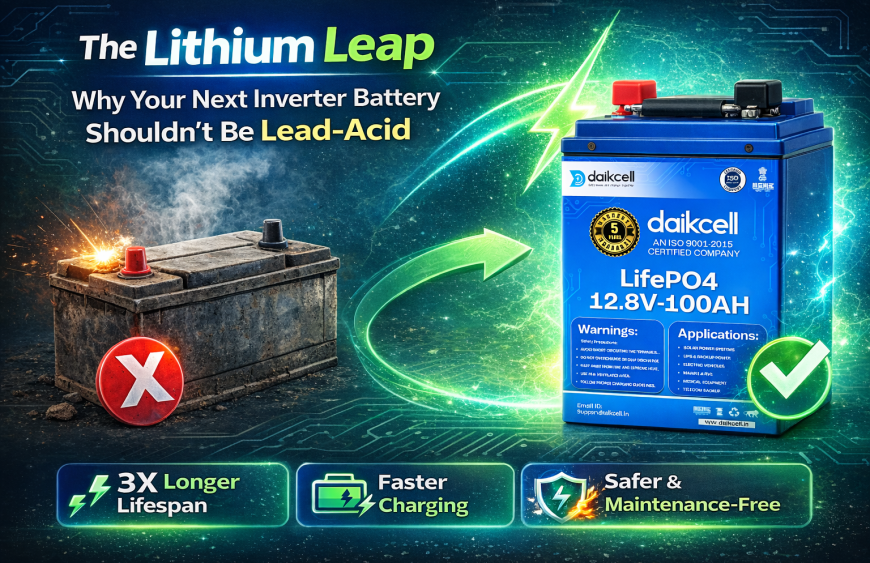
For homeowners who experience frequent power disruptions, rely heavily on electronics, or want a future-ready solution, upgrading is a practical choice. The benefits—faster charging, longer lifespan, consistent output, improved safety, and zero maintenance—directly address the challenges people have accepted for years.
This upgrade is not about luxury. It’s about reliability, efficiency, and making smarter decisions for the long term.
Final Thoughts
Power backup should support your lifestyle, not complicate it. As household energy needs continue to evolve, relying on outdated solutions becomes less practical. Modern battery technology offers a clear step forward—delivering dependable performance, lower long-term costs, and peace of mind.
If you’re planning your next upgrade, this leap isn’t just an improvement—it’s the future of home power backup.