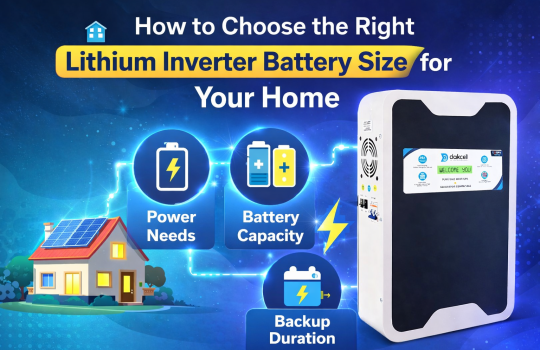
Choosing the right battery for your home inverter is an important decision that directly impacts your comfort, productivity, and long-term costs. With frequent power outages in many areas, homeowners need a reliable backup solution that can support essential appliances without interruptions.
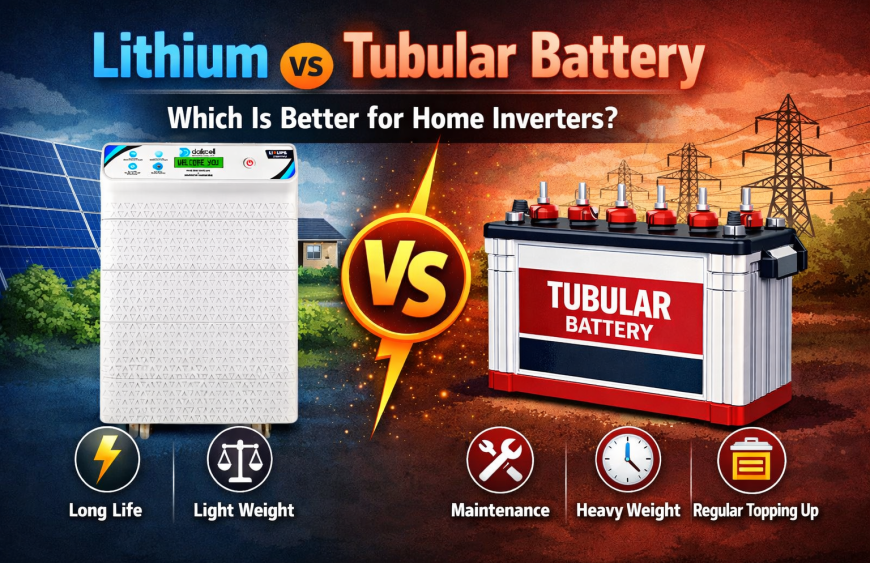
Two of the most popular options available today are lithium batteries and tubular batteries. While both serve the same purpose, their performance, lifespan, and efficiency differ significantly. Understanding these differences will help you make an informed choice for your home.
Understanding the Basics of Both Battery Types
Before comparing them, it’s important to understand how these batteries work.
Tubular batteries are a type of lead-acid battery known for their durability and ability to handle deep discharge cycles. They have been widely used in homes for many years.
On the other hand, a Lithium battery for inverter uses advanced technology to store and deliver energy more efficiently. These batteries are designed with modern features like faster charging and built-in safety systems.
Performance Comparison in Daily Use
Performance is one of the most important factors when selecting a battery for your home.
Tubular batteries perform well for basic usage but tend to lose efficiency over time. Their performance may also drop during long power outages, especially when heavily loaded.
In contrast, lithium batteries provide consistent power output throughout the discharge cycle. A Lithium inverter battery for home ensures stable voltage, which is especially important for sensitive devices like laptops, routers, and smart appliances.
This makes lithium technology more suitable for modern households that rely on uninterrupted power.
Charging Speed and Efficiency
Charging speed plays a major role in areas where electricity supply is inconsistent.
Tubular batteries take longer to recharge, often requiring extended hours of power availability. This can be a limitation when power cuts are frequent.
Lithium batteries, however, charge much faster. Even short durations of electricity can recharge them significantly. This makes them highly efficient in real-world conditions.
Additionally, lithium batteries have lower energy loss during charging and discharging, which improves overall efficiency.
Lifespan and Durability
Battery lifespan is a key factor when evaluating long-term value.
Tubular batteries typically last around 3 to 5 years, depending on usage and maintenance. Over time, their performance gradually declines.
Lithium batteries are designed to last much longer, often 8 to 10 years or more. They can handle thousands of charge cycles without significant performance degradation.
Choosing a Lithium battery for inverter can reduce the need for frequent replacements, making it a more durable option over time.
Maintenance Requirements
Maintenance is another area where these batteries differ significantly.
Tubular batteries require regular upkeep, including:
- Water refilling
- Terminal cleaning
- Monitoring for corrosion
Failure to maintain them properly can reduce their lifespan and efficiency.
Lithium batteries are almost maintenance-free. They do not require water topping or frequent checks. Their built-in Battery Management System (BMS) automatically handles safety and performance.
For homeowners looking for convenience, lithium batteries offer a hassle-free experience.
Space and Installation Flexibility
Space is often a concern, especially in modern homes with limited storage areas.
Tubular batteries are bulky and require proper ventilation due to gas emissions. They are usually placed in dedicated battery spaces.
Lithium batteries are compact and lightweight. They can be installed in smaller areas and even mounted on walls in some cases.
This flexibility makes them a better choice for apartments and space-conscious homes.
Safety and Environmental Impact
Safety is a crucial factor when installing a battery inside your home.
Tubular batteries release gases during operation and require proper ventilation to avoid safety risks. Improper handling can lead to leaks or corrosion.
Lithium batteries are designed with advanced safety features. Their built-in systems protect against overcharging, overheating, and short circuits.
They also produce minimal emissions and generate less maintenance waste, making them more environmentally friendly.
Cost Comparison and Long-Term Value
Cost is often the deciding factor for many homeowners.
Tubular batteries usually have a lower upfront cost, making them attractive for budget-conscious buyers. However, they may require more frequent replacements and ongoing maintenance.
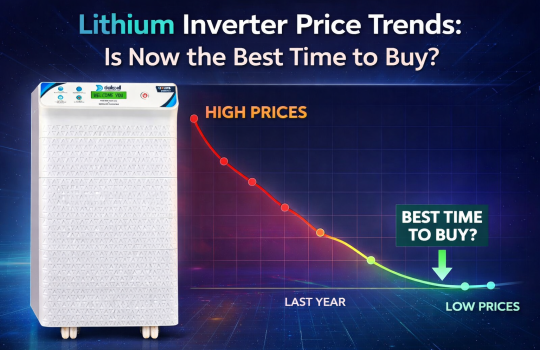
Lithium batteries have a higher initial cost, and the Lithium inverter battery price may seem expensive at first. However, when you consider their longer lifespan, minimal maintenance, and higher efficiency, they often provide better value over time.
Investing in a lithium battery can lead to lower overall costs in the long run.
Backup Time and Power Output
Backup time depends on how efficiently a battery can store and deliver energy.
Tubular batteries provide decent backup but may not utilize their full capacity effectively due to lower Depth of Discharge (DoD).
Lithium batteries allow higher usable capacity, meaning more stored energy can be used safely. This results in longer backup times even with similar capacity ratings.
A Lithium inverter battery for home can support essential appliances for extended periods without performance drops.
Compatibility with Modern Energy Systems
Modern homes are increasingly adopting solar energy systems to reduce electricity costs.
Tubular batteries can work with solar setups but may not deliver optimal efficiency.
Lithium batteries are highly compatible with solar systems. They can store excess solar energy efficiently and provide power when needed.
This makes lithium technology ideal for homeowners planning to switch to renewable energy in the future.
Which One Should You Choose?
The choice between lithium and tubular batteries depends on your specific needs and priorities.
If you are looking for a budget-friendly option and are comfortable with regular maintenance, a tubular battery may still be a suitable choice.
However, if you want:
- Longer lifespan
- Faster charging
- Better efficiency
- Low maintenance
- Compact design
Then a Lithium battery for inverter is clearly the better option.
Final Thoughts
Power backup is no longer a luxury—it is a necessity for modern homes. From work-from-home setups to smart appliances, uninterrupted power is essential for daily life.
While tubular batteries have served households for many years, lithium batteries represent the next generation of energy storage. Their advanced technology, durability, and efficiency make them a reliable solution for today’s energy needs.
Choosing the right battery is not just about the initial cost but about long-term performance and convenience. A well-selected Lithium inverter battery for home can provide peace of mind, consistent power, and better value for years to come.