Many homes in India continue to wrestle with electrical problems. The performance and longevity of home appliances may be affected by the reality of unannounced dips and spikes in voltage and resulting in an unreliable and inconsistent supply of power. The effects of such faulty supply may not present themselves immediately, but the longer the exposure to inconsistent electricity is it frequent supply, the more likely the home owner is to face frequent and expensive repairs and replacements of the affected appliances.
With the anticipated increase in the number of electronic appliances in homes in 2026, it will be imperative that home and smart appliances be designed to’ ‘shut down’ ‘ or otherwise disable appliances in the face of erratic power supply. This guide details the voltage control factors to accompany when buying a protection and backup system to best suit residential power requirements.
Why Power Fluctuations Are a Serious Concern
Power fluctuations happen when the electricity supplied to your home is not at operating levels that are considered safe. Variations are considered commonplace due to the following reasons:
- Local distribution lines being overloaded
- Peak demand due to changing seasons
- Lengthy distances when transmitting power
- Aging infrastructure
Even short power fluctuations can be very damaging. They are particularly damaging to the internal components of appliances such as air conditioners, refrigerators, washing machines, and televisions. This stress can make appliances less efficient and can make them break down more quickly.
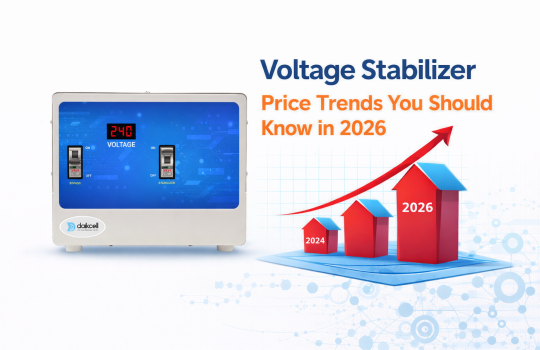
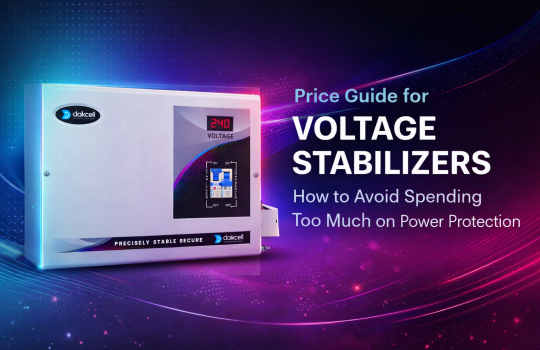
A voltage stabilizer can help with this problem by fixing power fluctuations before they reach your appliances.
How Voltage Regulation Works in a Home Setup
The incoming electricity is monitored by voltage regulation systems and any level that is too high or too low is automatically adjusted by the system.
Practically, this means that:
- Appliances receive the same, consistent, and reliable power
- A stable performance is guaranteed even when the grid is unstable
- Sensitive components are protected
Every day use of the system provides seamless correction of voltage levels, and this is done almost instantly..
Different Approaches to Residential Voltage Protection
Every home needs a different kind of protection. Your home size, appliance load, and your area’s power situation helps determine what is needed.
Whole-House Protection
This type of protection is set up at the main power entry point. It controls all the voltages for all the rooms and all the devices at the same time.
Best suited for:
- Houses with several valuable appliances
- Locations at risk of power surges
- People who need just one simple device
- When designed for home use, this is commonly called a voltage stabilizer for home use.
Appliance-Focused Protection
These units pair with specific appliances. Examples are air conditioning units or refrigeration units.
Best suited for:
- Protection coverage
- Homes with sensitive appliances, but otherwise a stable supply
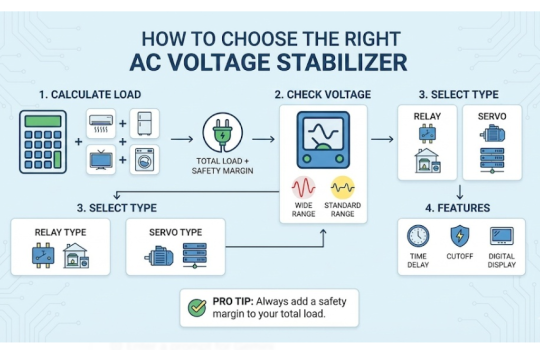
Key Factors to Consider Before Buying
Selecting a system is more than just price comparison, there are many factors that need your consideration.
Load Capacity
Calculate the power usage of the appliances to be protected. Always choose a system with larger load capacity, to avoid system strain during peak usage periods.
Operating Voltage Range
Home in areas with frequent swerve demand a larger tolerance range in order to cope with the extremes safely.
Response Speed
Modern appliances with sensitive circuitry are better protected with faster response correction.
Safety Features
Look for built-in protections such as:
- Overload cut-off
- Thermal protection
- Short-circuit prevention
- Surge control
Build Quality and Support
Warranty coverage, dependable service support, and sturdy construction are indicators of reliability over time.
Stabilizer, Inverter, and UPS: Understanding Their Roles
Although these systems can often be confusing, each one serves a purpose.
- A stabilizer controls voltage
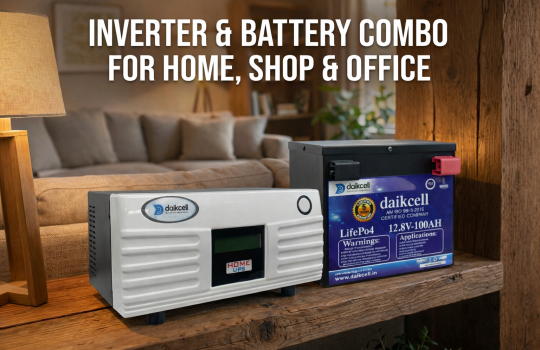
- An inverter delivers power during a power outage
- A UPS provides a backup solution that is instantaneous for electronic devices that are sensitive
Instead of each one replacing the other, these devices work in conjunction to offer comprehensive electrical protection and continuity.
The Shift Toward Modern Inverter Technology
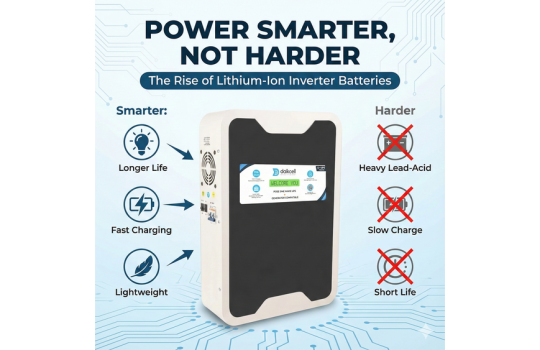
Lead-acid batteries are traditionally used in backup systems, but because of their short lifecycles, their maintenance needs are much greater. Over the last few years, many homeowners, however, shifted quickly to lithium-based batteries due to more effective operational efficiencies and increased durability.
Lithium inverters contain high-tech batteries which provide superior performance and service life than conventional systems.
Why Lithium-Based Backup Systems Are Gaining Popularity
There are many benefits to using lithium inverters for home use, including:
- Charging during limited supply windows is faster
- Improved energy efficiency
- Longer batter lifespan
- Minimal maintenance
- A compact design which requires less space
As a result, lithium-based systems make an ideal choice for modern homes with higher power demands and limited space.
How Voltage Regulation and Backup Systems Complement Each Other
An inverter provides power when there are outages, and voltage regulation helps protect appliances when there is a steady flow of power. When integrated correctly:
- Appliances receive power that is clean and steady
- Backup power is utilized more effectively
- Electrical stress is minimized
- The overall lifespan of the system is improved
This multilayered solution is highly beneficial in areas that experience power interruptions and unstable voltage.
Installation Guidelines for Best Performance
Safety and efficiency are highly dependent on proper installation.
Best practices are as follows:
- Making sure there is proper earthing
- Placing equipment in a dry and well-ventilated area
- Employing certified technicians
- Complying with the manufacturer’s load instructions
Warranties may be voided and effectiveness may be further decreased due to inadequate installation.
Maintenance: What Homeowners Should Know
While most modern systems require little maintenance, a few simple practices can help sustain optimal operational capacity.
- ensure that ventilation openings are not obstructed
- do not exceed rated capacity
- conduct wire inspections periodically
- look out for abnormal heat or noise
Compared to older battery technologies, lithium-based backup systems typically require much less user attention.
Common Mistakes Buyers Should Avoid
Many homeowners make decisions based solely on price which can lead to problems down the road. Common mistakes include the following:
- Choosing insufficient capacity
- Ignoring local voltage conditions
- Overlooking service availability
- Skipping warranty details
- Not planning for future appliance additions
Well planned purchases eliminate unnecessary expenses and inconvenience.
Energy Efficiency and Long-Term Value
Power protection systems do require an investment, but in the long run, they save money by:
- Preventing damage to appliances
- Reducing the costs associated with repairs and replacements
- Increasing operational efficiency
- Increasing the lifespan of appliances
When looking at several years in the future, the return on investment is significant.
Frequently Asked Questions
Is there a problem with voltage in houses in the city?
There certainly is. High demand and grid load can lead to instability even in city environments.
Can one system cover the whole house?
Yes, when sized correctly, centralized solutions are meant to cover residential loads.
Are lithium-based inverters safe to use indoors?
Yes, when installed, they are safe and stable and are commonly found in contemporary homes.
Can a voltage regulator be used in conjunction with an inverter?
Yes, they are often installed together for optimal protection.
How long does the system last?
Quality stabilizing units can last over a decade, while lithium batteries often last around 8–10 years.
Final Thoughts: Planning a Smarter Home Power Setup
The increased use of electronics in the home means that protection from electrical flux is becoming a necessity. A carefully selected, regulation system protects your devices, and up to date, backup devices offer protection during outages.
Instead of focusing on the, perhaps, lower initial cost, consider the long term reliability and safety as well as future requirements. With a good balance in your power protection approach system, your power protection will work effectively for many years as will your peace of mind.