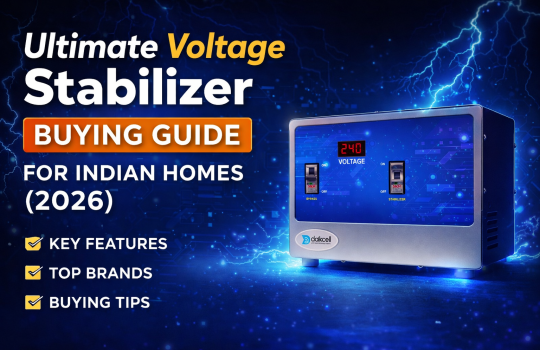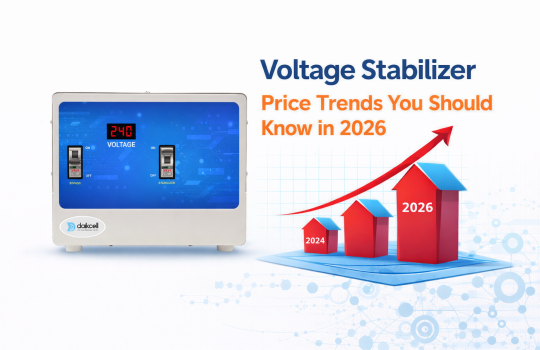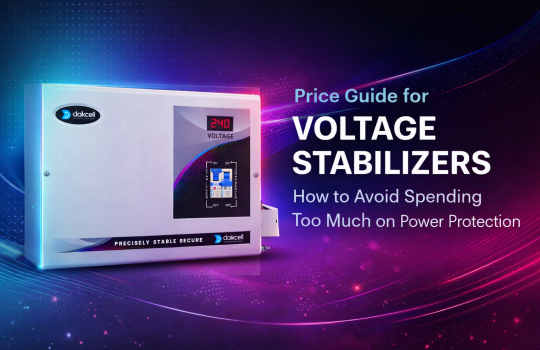
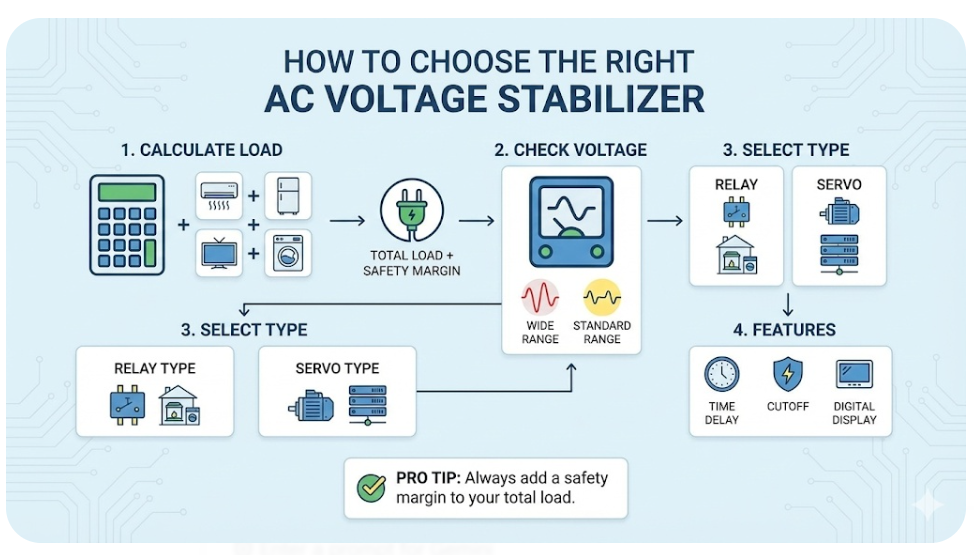
Bad electricity flow is a problem a lot of homes have, and a lot of homes overlook. Having power problems can cause major appliances to break, eating up more energy, and can cause more problems down the line. Major appliances like TVs, fridges, A/Cs, and washers can experience damages from unsteady power flow. Getting more of a broken appliance is unnecessary and can cost more than if you just paid to protect it. Getting to a good decision is knowing what voltage regulation is and what is best for your home without spending a lot of money.
Why Voltage Fluctuations Are a Serious Risk for Home Appliances
Bad power quality can lead to overheating, breakdowns, and lowered efficiency in your electronics. Lower voltage makes your electronics pull more current, and a higher voltage can blow out your electronics in an instant. All of these things lead to a shorter lifespan in your electronics and more expenses when it comes to fixing or maintaining anything. Many failures are blamed on the manufacturer, but the power quality in the home is more often the real culprit. If the bad power quality risks are understood, mitigation can be done before costly damage is done.
What a Voltage Stabilizer Does and How It Works
Home voltage stabilizers get and manage bolt incoming electricity and provide a uniform output ideal for the attached devices. It keeps checking and adjusting the incoming voltage. It also protects the appliances and prevents internal damage, by adjusting the incoming voltage. All of this happens instantly and automatically. This makes the voltage stabilizers a must, for homes with more than one electronic devices.
Types of Stabilizers and Their Ideal Home Applications
There are various forms of tech aimed to control power shortages based on how it is being used. For instance, in areas with minor power shortages, relay based control systems are used. However, for areas with severe power shortages, more effecient systems use servo control. With respect to digital devices, they have added safety features like overlaod protection and delay timers to avoind these issues. For homes that experience frequent and erratic changes in voltage, Automatic Voltage Stabilizers are best suited as they have the ability to control and modify power in real time.
How to Choose a Stabilizer Based on Appliance Load
It’s super important to choose the right size. Every appliance requires a certain amount of power. If a unit is too small, it may become ineffective or even fail entirely. If a system is too big, it will also be ineffective, causing the buyer to spend more money. Buyers need to add up the total power, think about the power needed at the start, and consider any future additions to the power. Making sure capacity is matched to the average actual use provides the best balance of coverage and overall cost.
Key Features That Influence Cost and Performance
A few different things really affect how reliable and how long something will stay valuable. Having a wide range of voltage corrections makes it more flexible to be used in a wider variety of situations. Having a built in thermal protection for overheating and time-delay systems to protect things like compressers themselves is great too. Things like the build quality and transformer type effects how response speed helps things as well too. Knowing how all of these things combine to affect the performance of a voltage stabilizer price is more useful than simply looking at the numbers on the label.
Common Mistakes That Lead to Overpaying
People often think that spending more money gets them better protection. This thinking gets them to buy fancy commercial systems for their homes or to get extra features that they don’t need. Ignoring what’s going on with local voltage or appliances is also more money thrown away. A good customer knows about the compatibility and what they actually need instead of going off brand or marketing.
Price Range and Value-for-Money Tips
Most of the first-level models work fine for places that have reliable electricity. The mid-level is good for most homes and has enough protection for most. The higher level is good for extreme conditions and even more expensive equipment. Buyers should focus more on how long the model is built to last, the warranty, and the customer support, rather than a low overall cost. The most important factor is how well it does its job over time.
When Paying More Is Actually Worth It
You should buy one when when you have to safeguard expensive equipment like acs and electronics and when power issues are frequent. In these scenarios, better accuracy and safety features regarding control can save losses worth much more than the extra cost. Buying the best stabilizer for your devices means you have to care more about the value for protection than the value for money you are spending right away.
Maintenance and Lifespan Considerations Before Buying
These types of units are also more common nowadays and require little maintenance, but they still need to be installed and properly ventilated. Every so often they need to be inspected, but as long as the unit is kept up with it can last a long time and protect the home without breaking down. When buying one of these units you should consider how long they will last, with how much maintenance they require, and how reliable they are.
Final Buying Insight
Protecting your electrical appliances and ensuring your your home stays safe is more than just something you should do; it’s an act of care and love for your home. Some of the most important things to consider to care for your home electrical wise are understanding, power conditions, choosing an appropriate capacity, and focusing on important features to so this the right way. A great protection solution is balance cost to save money and stay protected to ensure your equipment is safe and protected to perform secure tasks.